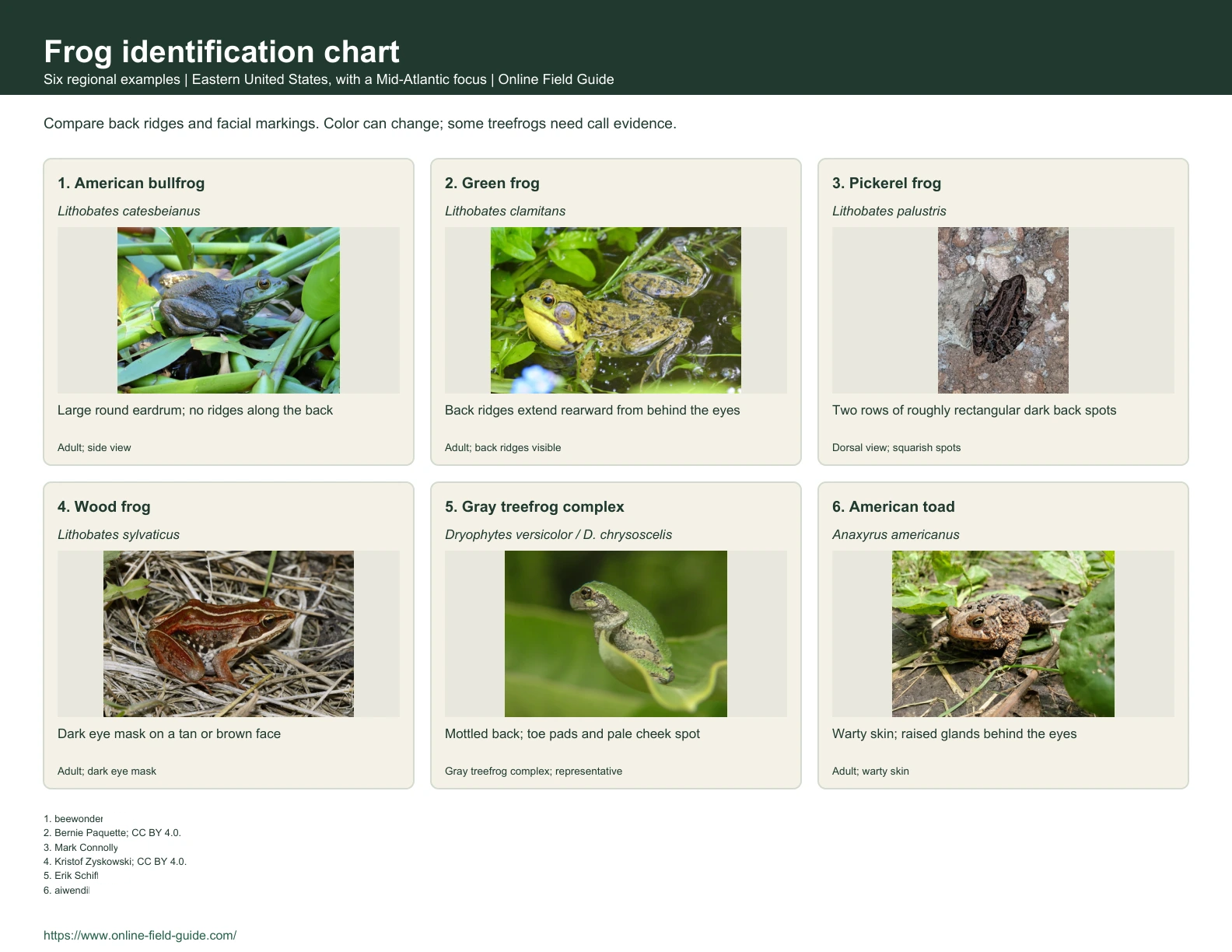
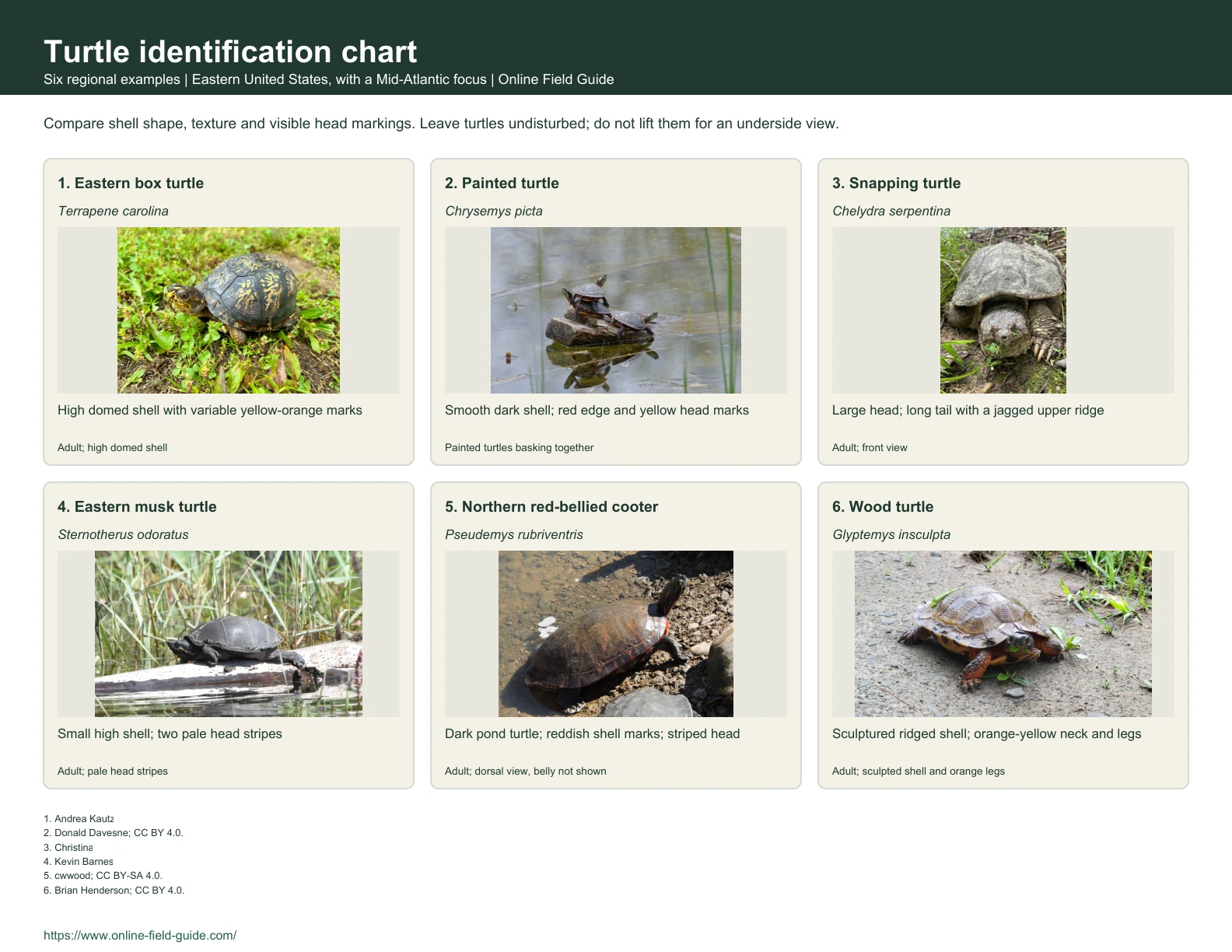
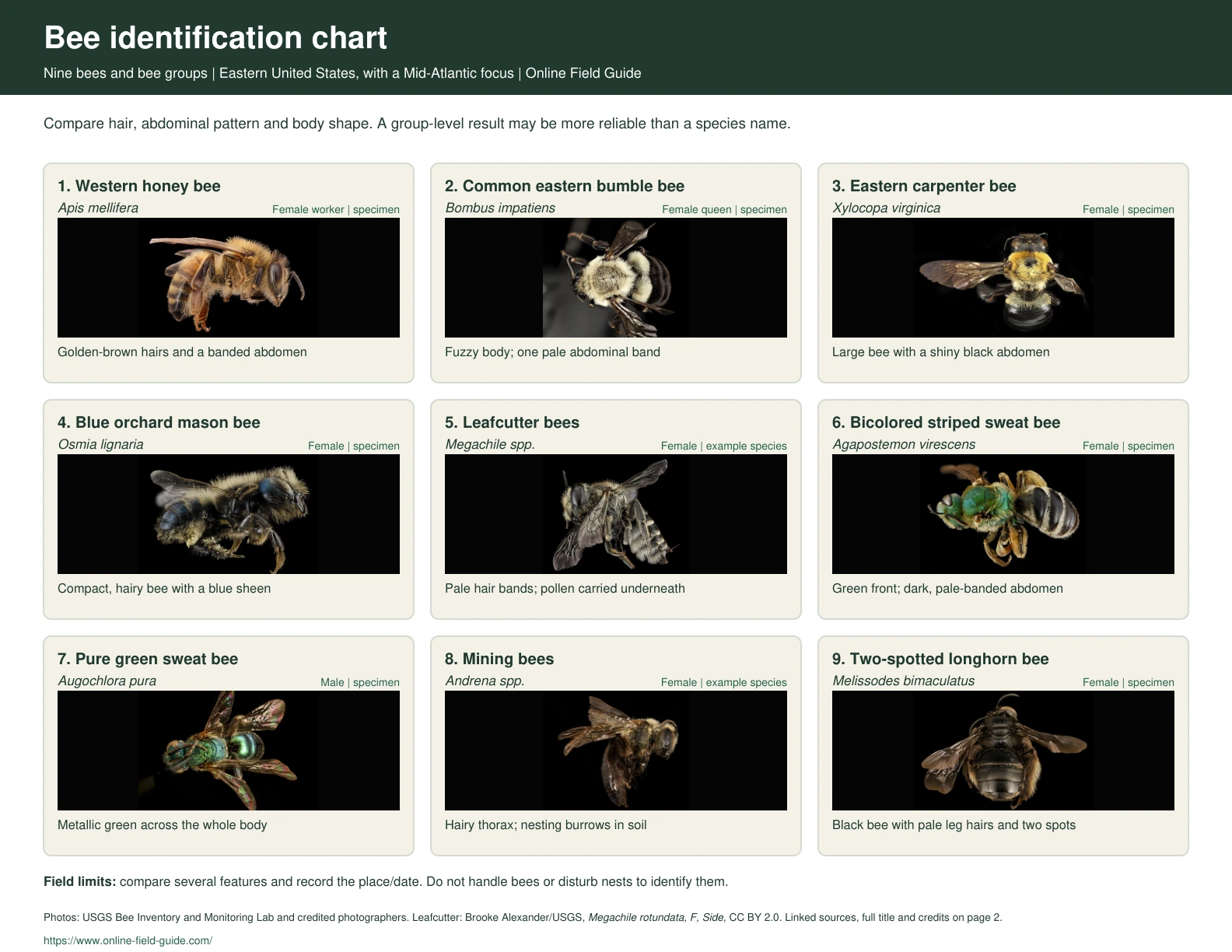
The Duttaphrynus Melanostictus, more commonly referred to as the Asian common toad, is found throughout South and Southeast Asia. It has a long lifespan and breeds quickly, potentially expanding its range rapidly.
Though they are an unwanted pest in many places like Australia, the Asian common toad is an important species in the food chain. They are both predators and prey, eating insects and small vertebrates while also serving as a meal for larger predators.
Physical Features
There are several bony ridges on the top of the head, the snout is short and blunt, and the space between the eyes is wider than the width of the upper eyelid. They have a very distinct ear drum or tympanum that is, at the very least, two-thirds as wide as the diameter of their eye.
The Asian common toad typically has a yellowish or brown dorsal side, with black spines and ridges. Its bottom is either spotless or has spots. To attract females and during copulation, males have a subgular vocal sac that is inflated with air as well as black pads on the inside of their fingers.
Habitat
Asian common toads typically breed near areas of still or slow-flowing water, such as ponds, pools, and rivers. They’re mostly terrestrial creatures that take shelter under rocks, logs, and leaves – but they’re also known to frequent human dwellings.
The larvae live in still and slow-moving water, commonly seen at night under street lamps during times when winged termites are looking for mates.
Defense Mechanism
The Asian common toad secretes a white, substance that is poisonous to birds, mammals, and snakes. When this creature is found outside of its usual territory, it disrupts the natural order by eating other animals and competing with native amphibians for food.
Diet
The Asian Common Toads are known to eat bees, wasps, ants, and other bugs but will also seize the opportunity to eat any other type of small creature if it gets the chance.
Final Thoughts
The Asian common toad is an adaptable creature that can live in a variety of habitats and climates. They love to be in places where humans live and breed quickly, making them unwanted pests in many places. If you see one in your backyard, it’s best to leave it alone!